Design Thinking

The Power of Boredom: Why Doing Nothing Feeds Creativity

The Power of Boredom: Why Doing Nothing Feeds Creativity

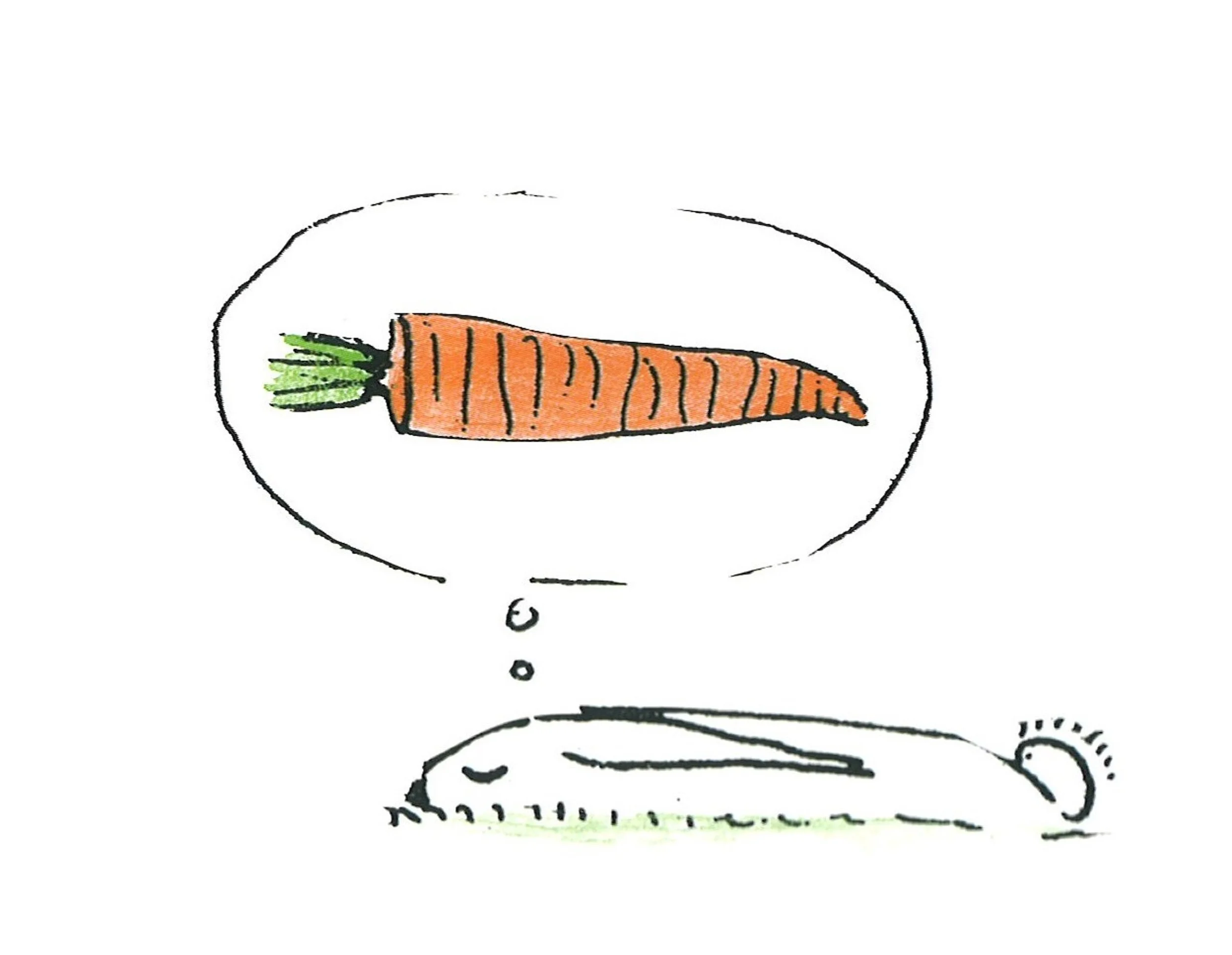
We live in an age of perpetual stimulation. Our phones buzz with notifications, our screens flicker with endless content, and our calendars overflow with commitments. The modern world has declared war on boredom, treating every empty moment as an emergency requiring immediate intervention. But in our frantic rush to fill every second with activity, we may be starving the very source of our creative power.

Why Designers Think Differently

Why Designers Think Differently

When someone eats your last Rolo, you feel a totally disproportionate sense of loss. It’s not about the chocolate. It’s about the gap. The narrative was broken.

So, we became wired not just for survival, but for pattern and narrative. We became restless, creative creatures—itchy with the need to make meaning. We drew patterns in the dirt, scratched stories on cave walls, and eventually, designed complex systems, cities, and even shoes that glow in the dark. All of this because our brains, forever uncomfortable with uncertainty, keep asking, What happens next?

Human-centred Design.

Human-centred Design.

Human-centred design leads to breakthrough innovations because of its empathy towards understanding and identifying with the target audience. It is intrinsically optimistic in its outlook but requires courage to hold back judgement, move outside the status quo and cliche and step into uncertainty.

How to get what you want! Your Reticular Activation System

How to get what you want! Your Reticular Activation System

I have often wondered how it is that we can focus on one thing rather than another, why we can sometimes focus so clearly that we exclude all other distractions. Like internet algorithms, It turns out that we have a system in our brains that does just that. The Reticular Activation System.

The 5 Stages of a Design Thinking process.

The 5 Stages of a Design Thinking process.

Design thinking is a structured process for creatively approaching complex problem solving and product development by understanding, deconstructing, reasoning and reconstructing the problem. There are 5 basic stages: Analysis, problem framing and defining, ideation and creative thinking, modelling and prototyping, and testing and evaluating.

4 ways to get more creativity into your life, using the only 2 things you can control.

4 ways to get more creativity into your life, using the only 2 things you can control.

· Creative thinking is something we all want in our lives, but often don’t think they’re are capable of it.

· Most people think creative thinking is just not for them, that it’s a mystical magic force.

· Most people think creativity is a talent you are born with, so they don’t even try.